BILLIONAIRE INVESTS $100M AFTER FATHER'S ALZHEIMER'S: This Hidden Brain Toxin Is Why You're Losing Your Memory
Mayo Clinic's Dr. Ben Carson reveals the 2-minute fix
By
Taylor Penley Fox News
- Updated 2 hours ago
For decades, doctors blamed aging or genetics for forgetfulness. But a groundbreaking new investigation is turning that belief upside down.
In 2018, after his father was diagnosed with Alzheimer’s, Bill Gates invested more than $100 million into independent research on the real trigger behind cognitive decline.
Now, in 2025, that quest has finally paid off — and what scientists discovered shocked even the most experienced neurologists.
⚡ The Invisible Enemy Inside the Brain
“It’s not age that erases memories,” explains Dr. Ben Carson, Chief of Neurosurgery at the Mayo Clinic and one of the lead researchers.
“It’s a microscopic electrical failure inside brain cells, caused by an invisible agent spreading silently through our environment.”
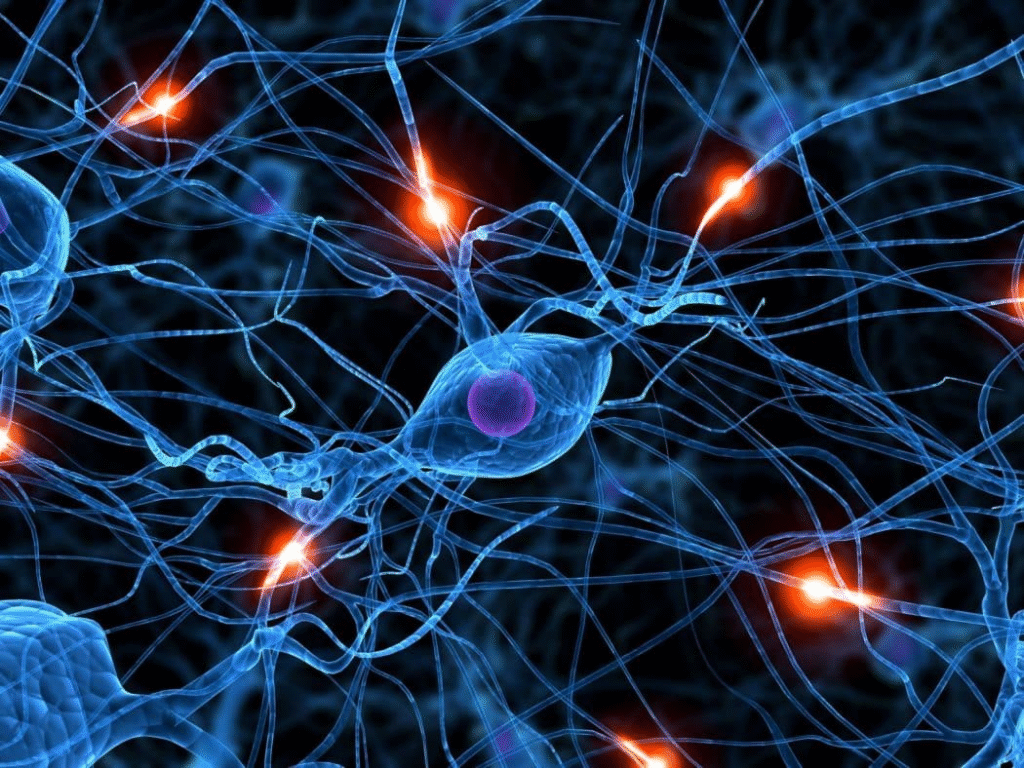
In labs across the U.S. and Japan, researchers uncovered that tiny environmental toxins are disrupting the brain’s electrical communication — as if neurons were short-circuiting.
Over time, this hidden interference wipes out memories, muddles speech, and dims focus, creating what many describe as “brain fog.”
But the real shock came when scientists found the same electrical anomalies inside the brains of stranded dolphins in Florida, showing confusion and disorientation identical to human Alzheimer’s cases.
The discovery forced state officials to declare a state of emergency, after confirming that the same toxin was already contaminating local lakes, fish, and even so-called “healthy” foods.
The Discovery That Changed Everything
While most labs focused on treating symptoms, Dr. Carson searched for answers where memory loss seemed almost nonexistent — among people who stay sharp well past 100.
His journey led him to Okinawa, Japan, a small island famous for its clear-minded centenarians.
There, he discovered a daily habit shared by nearly everyone — a simple morning-and-night ritual that might explain why their brains stay resilient despite age.
When Carson returned to the U.S., he assembled a team of neurologists to study how this practice affected electrical activity in the brain.
The results stunned the scientific community: within weeks, dormant neural connections began firing again, as if the brain had “switched its lights back on.”
🌙 The Two-Second Ritual
What fascinates experts most is its simplicity.
According to Dr. Carson, it’s a tiny nightly practice anyone can do at home — no drugs, no devices, no complicated routines.
And when done right before bed, it seems to activate the same natural regeneration process observed in the world’s longest-living populations.
“It’s almost as if the brain uses sleep to rebuild its own wiring,” Carson explains.
My mom kept forgetting little things… I thought it was just aging. After watching this video, it all made sense. If someone you love is going through this, watch it before it's gone.
I blamed age at first, but it got so bad I couldn't drive alone anymore. Four weeks after trying what they reveal in the video, I drove six hours straight — felt like I got my life back.